


Surgery is one part of the process. Recovery is the other. For international patients flying into Korea, the recovery period requires planning that goes beyond what local patients need to think about.
Here is what to prepare for.
Plan Your Stay Around the Procedure
Recovery timelines vary depending on the procedure. Most patients stay between 8 to 16 days in Korea. This covers pre-surgery consultation, the procedure, the first follow-up, and stitch removal where applicable.
The right timeline for your specific plan is something we work out together before you book anything.
Swelling Is Not a Sign Something Went Wrong
Post-operative swelling is the immune system responding to tissue repair. The body sends fluid and white blood cells to the surgical area. That fluid is what you see as swelling.
The timeline follows a consistent pattern for most patients:
Days 1 to 3: swelling increases and peaks.
Day 3 onward: swelling stabilizes.
End of week 1: major swelling begins to reduce.
Months 2 to 6: residual swelling continues to resolve, depending on the procedure.
The face you see in the first week is not the final result. Judging your outcome too early leads to unnecessary worry. Full results for most facial procedures are visible between 3 and 6 months post-surgery.
How to Manage Swelling
Cold compresses for the first 72 hours, 15 to 20 minutes at a time to avoid skin damage.
After day 3, switch to warm compresses. Heat improves blood circulation and helps the body reabsorb the accumulated fluid. This also accelerates bruising resolution.
Sleep with your head elevated on two to three pillows for facial procedures. Gravity reduces fluid pooling at the surgical site. Maintain this position while resting during the day as well.
Reduce sodium intake. Salt causes the body to retain water and worsens swelling. Avoid processed foods, canned soups, and high-sodium sauces during the first few weeks. Eat fresh whole foods, prioritize protein for tissue repair, and get adequate Vitamin C and zinc to support healing.
Drink water. Adequate hydration helps flush excess salt and toxins from the body, which reduces overall fluid retention.
Do Not Stop Moving
Complete bed rest after surgery is rarely recommended. Gentle walking around your room or hotel promotes blood flow, supports the lymphatic system in clearing fluid from the surgical area, and reduces the risk of blood clots.
Strenuous activity, bending forward, and anything that raises your heart rate significantly should wait until your surgeon clears it. The timing depends on the procedure.
What to Avoid During Recovery
- Smoking
Nicotine constricts blood vessels and slows tissue healing. Avoid it for at least two weeks before and after surgery.
- Alcohol
It thins the blood, increases swelling, and raises bleeding risk. Avoid it for the full recovery period your surgeon specifies.
- Direct sun exposure
Post-surgical skin and healing scars are highly sensitive to UV. Sun exposure can cause permanent hyperpigmentation on healing tissue. Use SPF and physical coverage when outdoors.
- NSAIDs and aspirin
These affect blood clotting. Do not take ibuprofen, aspirin, or similar medications unless your surgeon clears them specifically.
Post-Op Care in Korea: We only work with hospitals who provide complete post op CLINICAL care
Miin’s partner hospitals include post-operative clinical care as part of the recovery process, not as an optional add-on.
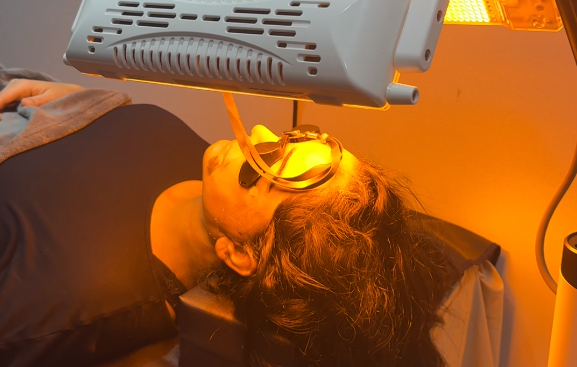
Clinical post op care includes APL light therapy to stimulate cellular repair and reduce inflammation and oxygen therapy to accelerate cellular metabolic rate and reduce swelling duration. The medical team conducts personalized post-op check-ups and adjusts recovery protocols based on how each patient heals.
Clinical post-op care directly affects how quickly swelling resolves and how the final result settles. International patients who return home immediately after surgery without access to this level of follow-up care are at a disadvantage.
Flying Home: What to Keep in Mind
Move around the cabin every 60 to 90 minutes. Stay hydrated throughout the flight. Avoid alcohol on the plane.
Confirm with your surgeon that you are cleared to fly before booking your return. Some procedures require a longer stay than others.
When to Contact Your Surgeon
Most swelling and discomfort in the first week is normal. Contact us immediately if you experience:
Pain that is not managed by prescribed medication. Redness or heat at the surgical site that spreads. Fever or chills. Unusual discharge from the surgical area.
We will immediately get in touch with your surgeon and medical team in the hospital.
What Miin’s Coordination Covers During Recovery
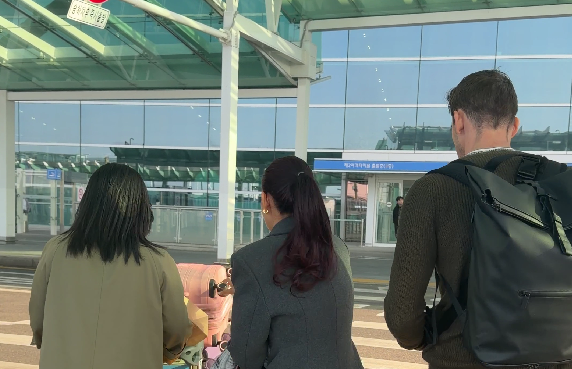
Miin’s coordinator is present throughout your hospital visit and recovery care in Korea. This includes accompanying you to post-op appointments, managing communication between you and the medical team, handling any concerns that arise during recovery, and supporting your departure arrangements.
For international patients, the recovery period is often the part of the trip that feels the most uncertain. Having someone on the ground who understands the medical context and speaks your language changes that experience substantially. That presence is part of what Miin provides, at no added cost.