

Skin booster is a broad category, not a single treatment. What Korean clinics call a skin booster can refer to several different injectable formulations that work in different ways, address different concerns, and produce different results. Understanding the categories helps you know what you’re actually asking for and what to ask about during your trip.
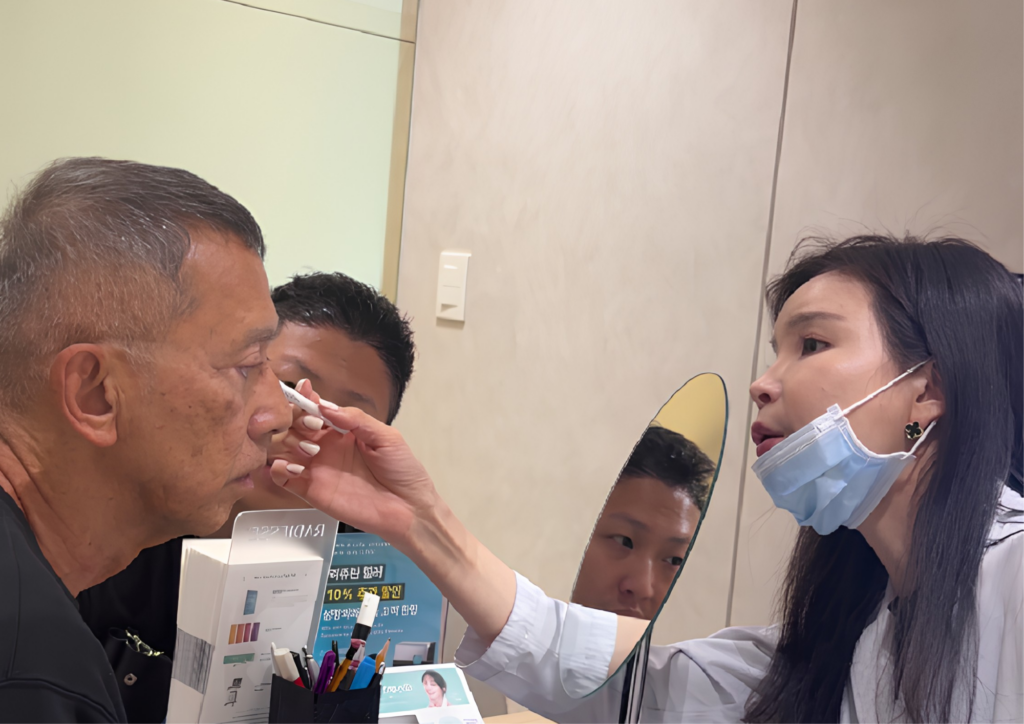
What a Skin Booster Is
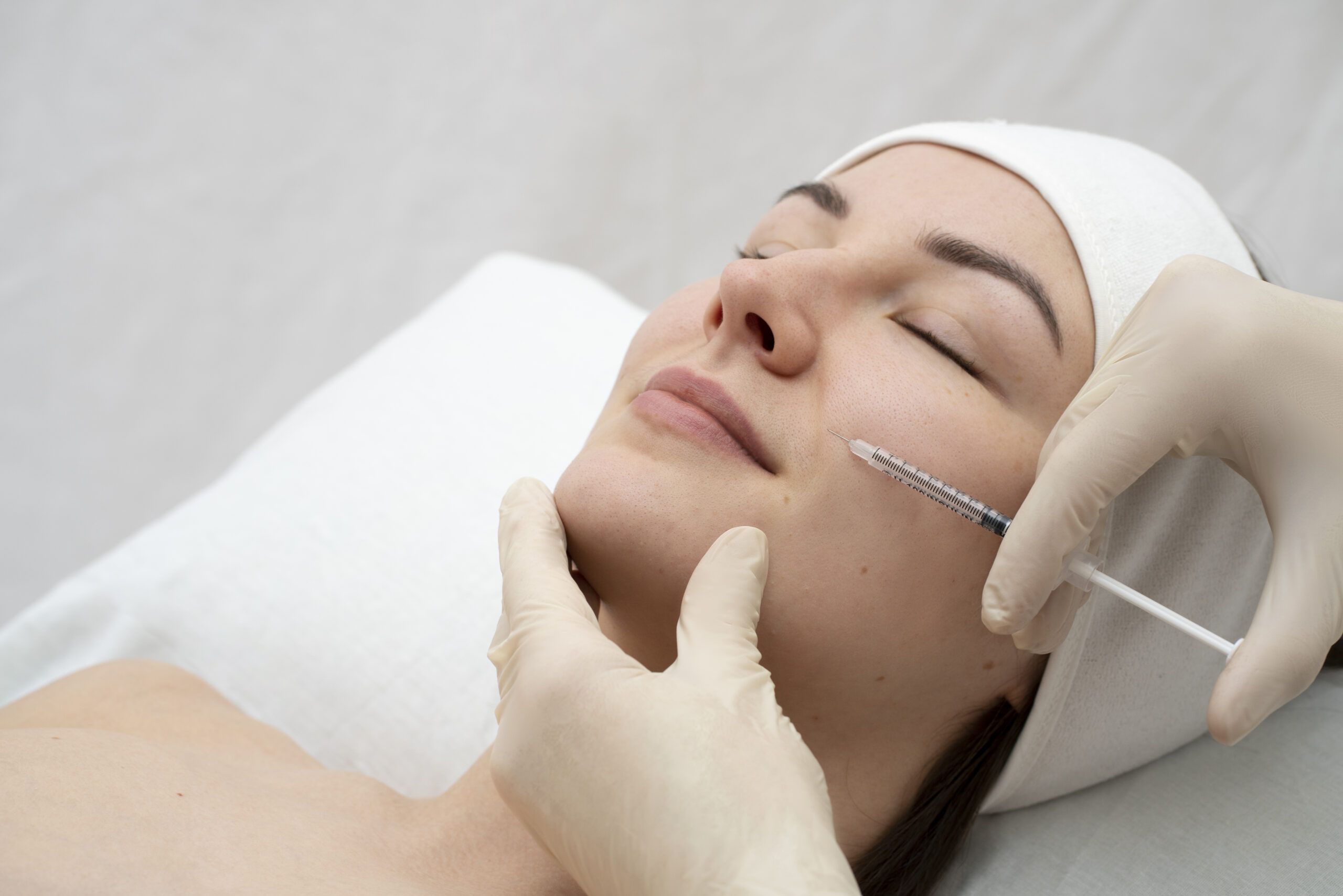
A skin booster delivers active ingredients directly into the dermis — the deeper structural layer of the skin that sits beneath the epidermis. Unlike topical skincare that works on the surface, injectable treatments bypass the skin barrier entirely and place the active material where collagen, elastin, and cell regeneration actually occur.
The delivery method is either manual injection through fine needles or a mechanical injector device that places multiple microinjections simultaneously across a treatment area. Both target the mid-to-deep dermis. The choice of delivery depends on the product and treatment zone.
Most skin boosters require no general anesthesia — topical numbing cream is standard for in-clinic visits. But for patients already undergoing surgery under IV sedation or general anesthesia, skin boosters can be administered during the same session. This is the main practical advantage of combining skin boosters with surgical procedures: zero additional downtime, no separate appointment, and the anesthetic coverage is already in place.
The Main Categories
Skin boosters are most usefully understood by what their active ingredient actually does.
Polynucleotide (PN/PDRN) injections. These are derived from purified DNA fragments, most commonly sourced from salmon. When injected into the dermis, polynucleotides promote tissue repair and regeneration by stimulating fibroblast activity — the cells responsible for producing collagen and extracellular matrix. The result over several sessions is improved skin texture, restored elasticity, reduced fine lines, and a healthier baseline skin condition. This type works progressively rather than immediately. Most patients see initial texture improvement within the first few weeks, with significant improvement visible after a full course of sessions. It is one of the most widely used categories in Korean dermatology and is well-supported by peer-reviewed clinical literature.
Hyaluronic acid-based boosters. These use hyaluronic acid formulated specifically for intradermal injection rather than structural filling. Unlike conventional filler, which is placed deeper to add volume or shape, these are injected superficially into the dermis to attract and retain water within the skin. The result is improved hydration, plumper texture, softened fine lines, and a more luminous surface appearance. Effects are relatively immediate and typically last several months. This is the hydration-focused category, suited to patients with dull, dry, or dehydrated skin.
Exosome injections. Exosomes are nanoscale vesicles secreted by stem cells that carry signaling molecules, growth factors, and genetic material between cells. Exosome injections are derived from stem cell culture media — specifically the concentrated extracellular fluid — and injected into the skin to activate the skin’s own regenerative processes. This is considered the most advanced category currently available in Korean clinics (as per 2026) and shows strong results for skin texture, elasticity, and overall skin quality, though the clinical evidence base is newer and still developing relative to polynucleotides.
Stem cell-derived injections. Some Korean clinics go further, extracting stem cells from the patient’s own blood rather than using externally sourced exosomes. The patient’s blood is drawn, centrifuged to concentrate stem cells and associated bioactive components, and re-injected into the skin. Because the material is autologous — from the patient’s own body — the risk profile is low and the regenerative components include not just growth factors but the cellular machinery that drives tissue repair. This is the most intensive category and is most relevant for patients with advanced skin aging concerns or who want the most comprehensive regenerative approach.
Why Combining Skin Boosters With Surgery Makes Practical Sense
Most patients planning a surgical trip to Korea focus on the procedure itself. But the skin is directly affected by surgery in ways that a skin booster can meaningfully support.
When a patient is already under IV sedation or general anesthesia for a facial procedure — rhinoplasty, eyelid surgery, a facelift — the IV line is already in place and the patient is already fully numb. A skin booster added to the plan at this point requires no separate appointment, no separate anesthesia, and no additional recovery window. It is the most efficient time to do it.
There is also a clinical logic to the timing. Polynucleotide injections specifically promote tissue repair and cellular regeneration. Following facial surgery, the skin enters an active healing phase. Introducing polynucleotides during or immediately after surgery supports this healing environment — the same growth factor stimulation that repairs general skin aging is also relevant to tissue recovery.
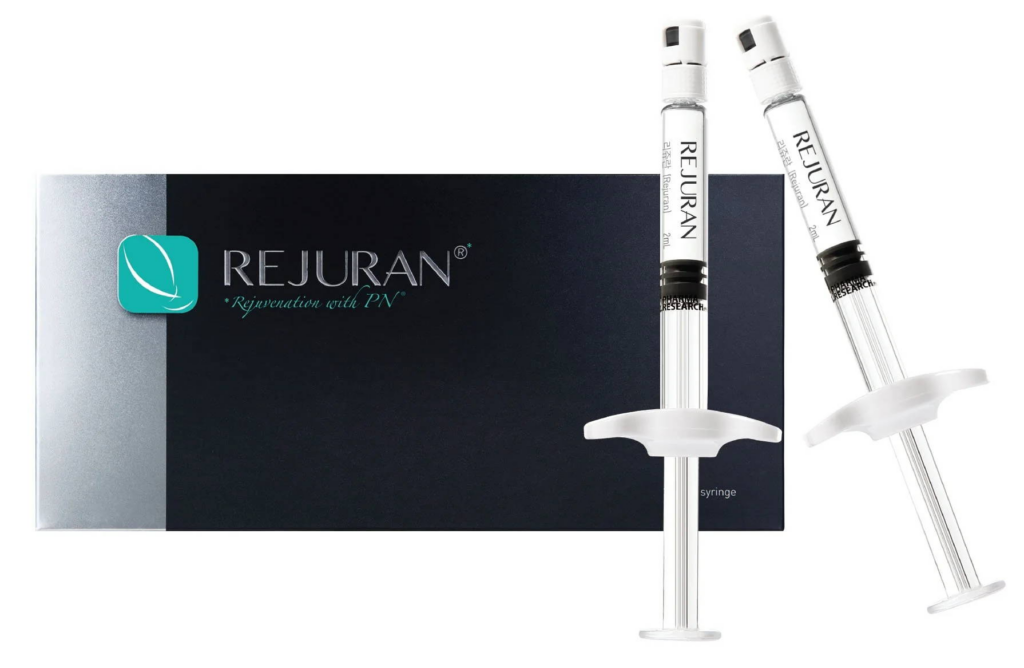
One of the most seeked skin booster that’s done during surgery is Rejuran (Based on 2026 data)
For patients who are visiting Korea for a week or more, combining a skin booster with their surgical appointment means they leave with both structural correction and improved skin quality addressed in a single trip. The alternative, returning at a later date specifically for dermatology, is a significant undertaking for international patients.
Miin’s Role
Miin coordinates dermatological treatments at partner hospitals and clinics alongside surgical procedures. If you are planning a surgical trip and want to include skin booster treatments, Miin builds this into the trip plan: which type of treatment is appropriate given your skin concerns, when it is best scheduled relative to your surgery, and which clinic is best suited for it.
You pay the clinic directly. Miin’s coordination comes at no added cost.
Get in touch to start planning your trip with Miin.