


Most people spend weeks researching surgeons, comparing clinics, and reviewing before-and-after photos. Far fewer spend the same energy understanding what happens in the days and weeks after the procedure itself. That gap matters more than most people realize. The surgery gives you the foundation. Recovery determines how that foundation actually settles into your final result.
Swelling is normal. Understanding its timeline isn’t optional.
Swelling is the body’s natural response to surgical trauma. The immune system sends fluid and white blood cells to the area to begin repair, and that fluid accumulation is what you see and feel.
The pattern is predictable. Swelling typically increases over the first two to three days, plateaus, then begins subsiding from the end of the first week. Minor residual swelling can linger for months depending on the complexity of the procedure. Knowing this in advance changes how the first week feels. The face you see on day three is not your result. It’s a checkpoint in a process.
Temperature does more work than people expect.
In the first 48 to 72 hours, cold compresses constrict blood vessels and limit fluid buildup. After day three, switching to warm compresses improves circulation and helps the body reabsorb the fluid that’s already accumulated. Getting this sequence right, cold first, then warm, makes a measurable difference in how quickly swelling resolves.
Elevation, nutrition, and gentle movement all carry real weight
Sleeping with your head elevated above heart level keeps fluid from pooling at the surgical site. Reducing sodium intake limits water retention, while adequate hydration actually helps flush excess fluid rather than worsening it. Protein supports tissue repair. Vitamin C and zinc support the immune system’s role in healing.
Movement matters too. Complete bed rest is rarely the right approach. Gentle walking keeps blood circulating and helps the lymphatic system clear fluid from the surgical area more efficiently than rest alone.
What separates a good recovery from an average one is the system behind it, not just the advice
The guidance above applies everywhere. What changes the outcome is whether the clinic you’re working with has the infrastructure to support it.
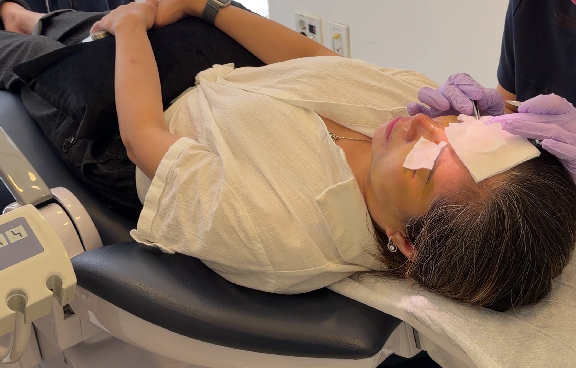
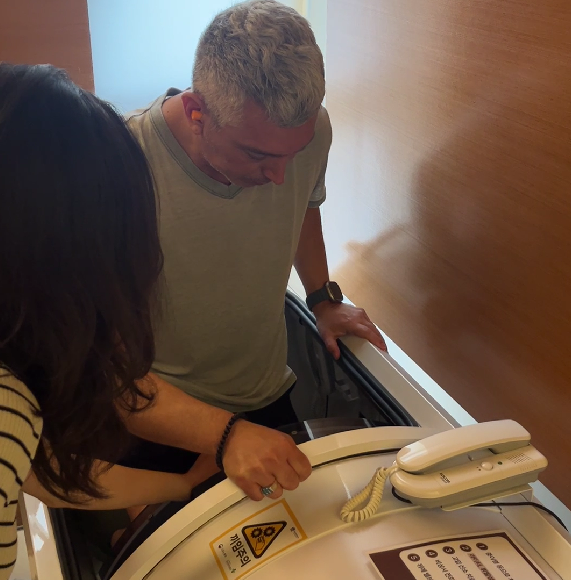
Hospital-level clinics in Korea build recovery into the surgical plan itself, not as an afterthought. That typically includes hyperbaric oxygen therapy to accelerate tissue regeneration, LED and infrared light therapy to calm inflammation and support skin recovery, high-frequency treatments to improve lymphatic drainage, and structured follow-up schedules built around the specific procedure performed. Eye and nose surgery follow a different recovery timeline than facial contouring or breast augmentation, and a clinic that treats every patient the same way is missing that distinction.
What this means if you’re planning surgery in Korea
The technical side of recovery, cold versus warm compresses, elevation, sodium intake, is something you can learn and follow on your own. The clinical side, knowing which post-op technology applies to your specific procedure, how your individual healing is progressing, and when something needs attention versus when it’s simply part of the process, requires a team that’s actually monitoring you.
This is where the right support matters most. At Miin, every client’s post-op care is mapped to their specific procedure before they ever land in Seoul, and every follow-up appointment is something we attend alongside them. Recovery isn’t something you figure out from a printed instruction sheet in a language you don’t speak. It’s something you’re guided through, step by step, by people who understand both the medicine and what you’re going through.
Surgery is the part everyone researches. Recovery is the part that determines whether all that research was worth it.