


Liposuction is one of the most performed cosmetic procedures in the world. It is available everywhere. So the question worth asking is not whether you can get it done near home — you probably can — but whether the standard of what gets done, and how, is the same everywhere.
It is not.
What Liposuction Actually Is
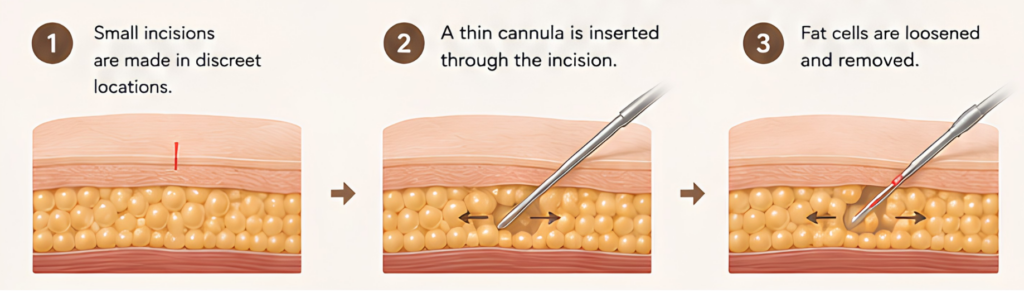
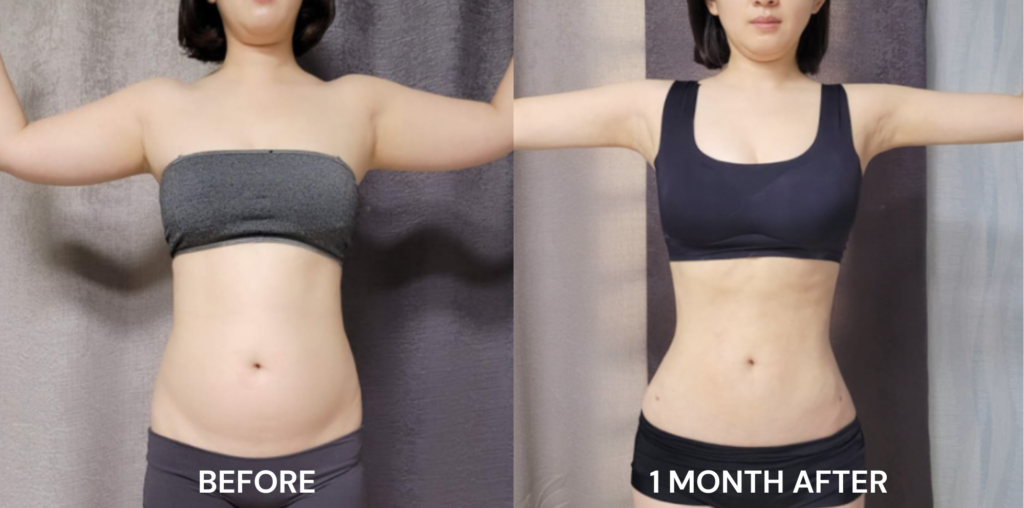
Liposuction removes subcutaneous fat, the layer of fat that sits directly beneath the skin, through small incisions using a thin cannula. It is not a weight loss procedure. It is a body contouring procedure, designed to reshape specific areas that do not respond to diet and exercise regardless of how consistently those are maintained.
The fat cells removed through liposuction do not regenerate. This is the fundamental reason the result is permanent rather than temporary: diet and exercise shrink fat cells, but they remain present and can expand again. Liposuction removes them from the treated area entirely. Maintaining a stable weight after surgery preserves the result long-term.
What liposuction cannot do is correct loose or sagging skin. The procedure removes fat but does not tighten the skin envelope above it. Patients with significant skin laxity in the treatment area may need a combined approach — liposuction with abdominoplasty (tummy tuck) for the abdomen, for example, which is assessed at consultation based on skin elasticity and the degree of correction needed.
What Korea Does Different
The clinical difference in Korean liposuction is not one single technique. It is a combination of precision philosophy, equipment standard, and post-operative care infrastructure that the Korean market has developed over decades of high volume and competitive specialization.
Micro-cannula technique. Korean surgeons use cannulas significantly smaller than what is standard in many other markets. Smaller cannulas allow more precise contouring, particularly in areas where smooth transitions matter — the inner thigh, the upper arm, the flank-to-abdomen boundary. Larger cannulas remove fat efficiently but at the cost of precision in the superficial layers where surface irregularity is most visible.
Layered approach to fat extraction. Korean surgeons typically work across multiple fat layers in a single session rather than targeting one depth uniformly. The deep layer provides bulk reduction. The middle layer delivers the primary reshaping. The superficial layer is contoured carefully to produce smooth skin adherence rather than the uneven, dimpled surface that results from aggressive or uniform deep extraction. This is what prevents the “washboard” effect — an outcome that comes from removing fat without considering how the remaining layers sit and redrape.
Strategic incision placement. Incisions are planned in natural body creases or areas covered by standard clothing — within the navel for abdominal liposuction, in the armpit fold for arms, in the groin crease for thighs. The incisions themselves are small, typically 2 to 3 millimeters, and heal to a point where they are not visible in everyday life.
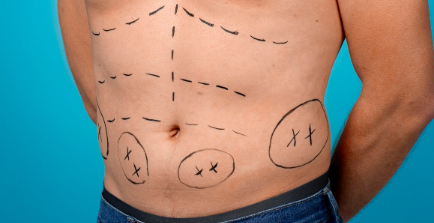
Body mapping before surgery. Before the procedure, the surgeon marks the treatment area in detail — identifying fat density zones, asymmetries, natural muscle contours to preserve, and the transitions between treated and untreated areas. The goal is to produce a result that looks natural from every angle, not just from the front.
Why the “From Every Angle” Standard Matters
Most liposuction complaints are not about whether fat was removed. They are about what the result looks like: surface irregularity, residual fullness in one area relative to another, a result that looks good in a photograph but uneven in person or in motion.
These outcomes come from treating areas in isolation rather than as part of a three-dimensional form. The Korean standard treats the body as a connected system. Thigh liposuction, for example, is planned as a 360-degree procedure rather than targeting only the inner thigh — because the transition to the saddlebags and to the buttock contour determines whether the leg looks natural or worked on.
This is not a philosophical difference. It is a technical one. It requires more surgical time, more detailed planning, and a surgeon who understands the aesthetic goals as clearly as the clinical parameters.
Common Treatment Areas
Liposuction can be applied to most areas of the body where subcutaneous fat accumulates. The most commonly treated areas include:
The abdomen — both upper and lower — and the flanks. The inner and outer thighs, saddlebags. The upper arms. The back, including the bra fat zone and the lower back. The chin and jawline (facial liposuction). The calves and ankles in some cases.
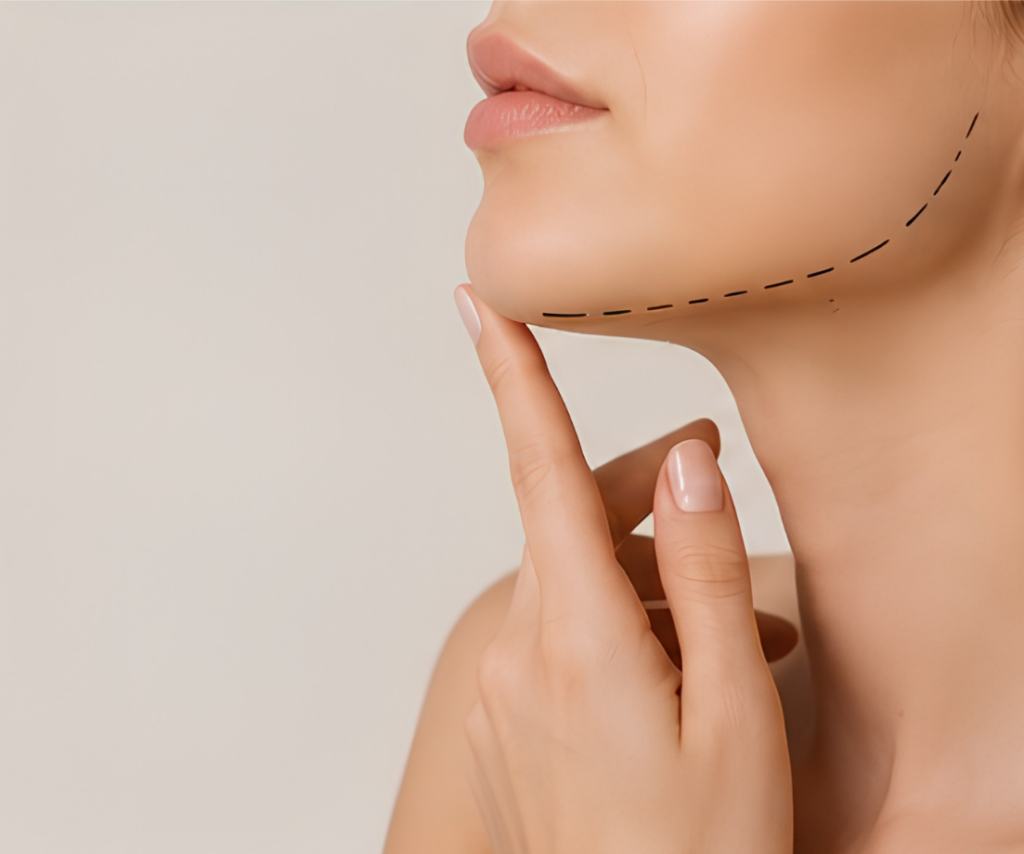
Each area has different skin thickness, different fat layer characteristics, and different tolerance for how aggressively it can be contoured without visible irregularity. The surgeon’s familiarity with the specific demands of each zone is part of what determines the outcome.
Post-Operative Care as Part of the Result
The standard at Miin’s partner hospitals includes hyperbaric oxygen therapy to accelerate tissue healing and reduce swelling, vitamin injections to support recovery, and compression garments fitted specifically for the treated areas and worn on a schedule that supports skin adherence to the new contour.
This matters because the final result of liposuction is not determined the day of surgery. It is determined as swelling resolves, as the skin contracts over the new contour, and as the tissue settles over weeks and months. Post-operative care is what shapes how that process goes.
Miin manages the post-operative appointments during the stay in Seoul, ensures nothing that needs attention is missed before departure, and supports the patient through any questions or concerns during recovery at home.
How Miin Fits Into This
Miin’s partner hospitals are selected based on consistent results verified directly by our team on the ground in Seoul. Body contouring is a category where the gap between a good result and a poor result is determined almost entirely by surgical precision and post-operative care — both of which require standards we can observe and confirm directly, rather than taking on faith from marketing materials.
When you plan a liposuction trip through Miin, you pay the hospital directly at the same price as any local patient. The coordination, the post-operative accompaniment, the communication with the clinical team throughout your stay — that is what Miin adds, at no added cost.
Get in touch to start planning your trip with Miin.